
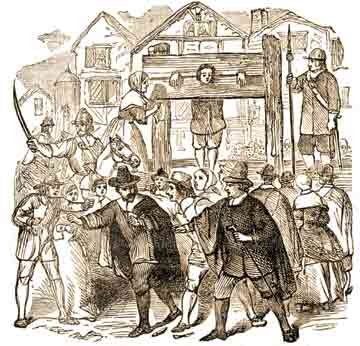
By the middle of the sixteen hundreds, the public execution
of Anabaptists had come to a complete stop, but there was still
persecution. Certain areas would
attempt to deal with their “Anabaptist problem” by pressures other than killing
them. The goal of ridding their area of
these subversive heretics would rise and ebb depending on other concerns. If you were found guilty of being an
Anabaptist during this time, you could have your small children taken away from
you and given to someone in the state church to raise them. Or your farms,
homes and belongings could be taken away from you through force
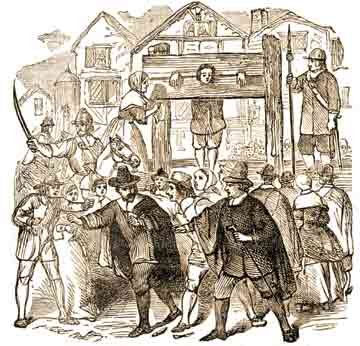
A punishment that
was often used in this period was to sentence the men to be galley slaves in
ships in the Mediterranean. While not a
public execution, this was, in essence, a death sentence. The men would be sold as slaves and would be
chained below the decks of the ships and forced to row long oars in unison at
the command of the master. They were
often fed little and whipped or beaten when they could not perform to the
satisfaction of the master. This allowed
ships to rely on power other than sails and allowed for maneuvering the way
engine power later gave to ships. It is
unknown how many men were banished and died in this manner. Few, if any, ever escaped the ships and most
of these men never saw their families again.
In 1671,
Anabaptists from the Canton of Bern were given a choice; they were given two
weeks to convert and return to the state church or to be expelled from Switzerland. About seven hundred Anabaptists were banished
as a result of this order. Most left
with only what they could carry. They
straggled north across the mountain passes into the area of Germany known as
the Palatinate and the eastern French lands known as the Alsace-Lorraine. This area of the Rhine Valley had been
devastated after the Thirty Years War from 1618-1648.
Here many of the
Anabaptists found homes as tenant farmers or estate servants. Like the Swiss areas from which they had
come, they could not own land in these areas. They were also forbidden from building church buildings and from
spreading their views to other people. They would often meet in small groups in the homes and barns of the
estates where they lived. Here they
lived in an uneasy and quiet alliance with their neighbors and the lords that
ruled over them. It is from here that
most of our Amish ancestors would emigrate from as pressures increased in the
early part of the 1700s.
As we
look back at this kind of suffering, it should cause us to wonder what we would
do if our men were taken away. Would we
continue to stand firm? Would we do
what we needed to for the sake of Christ’s kingdom? What would happen if we lost our homes and
possessions? What would happen if we
were forced to move with only what we could carry? Would we be faithful?