
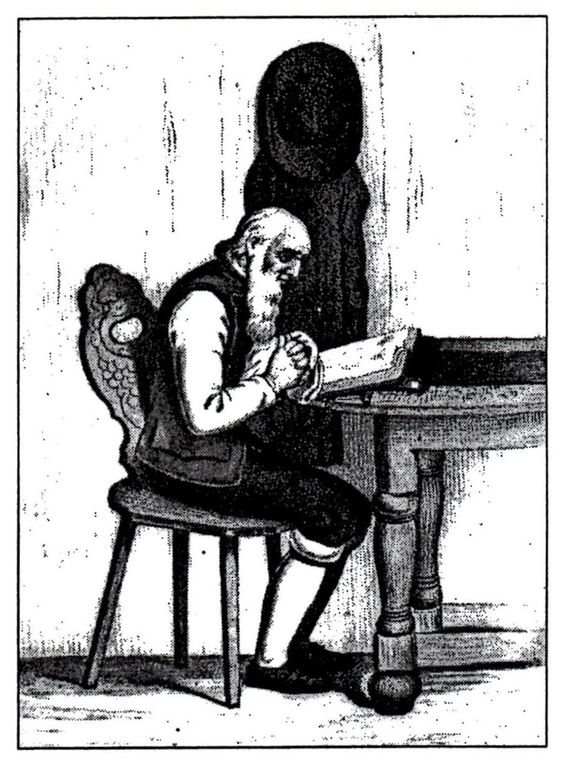
In the years following the migration of Swiss Anabaptists
north into the Rhine valley, they settled on farms and estates where they lived
in a quiet but sometimes uneasy alliance with their neighbors and the noblemen
who owned the estates. Forbidden to own
land or build their own church houses, they met in small groups in their houses
and barns. Ministers and deacons were
chosen from within the group. Their quiet worship was similar to what their
parents and grandparents had experienced in Switzerland. Already these Anabaptists had a collective
history of 175 years of martyrdom and pressure.
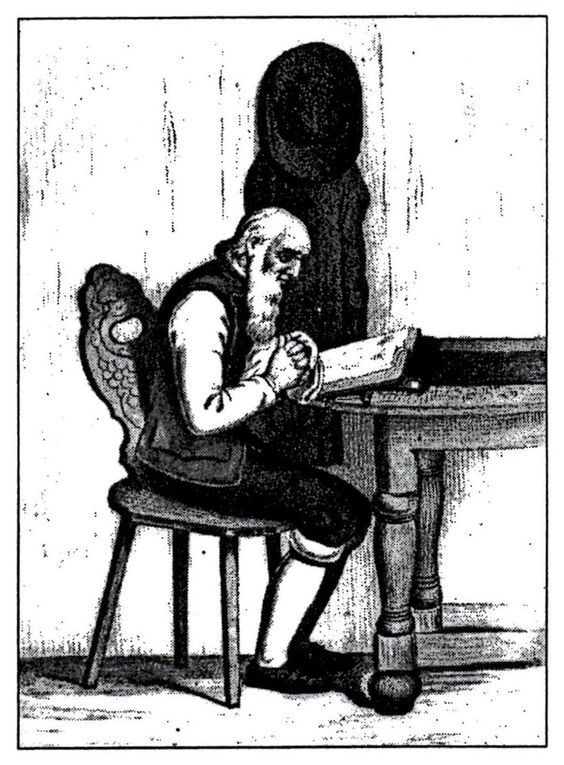
Here in the Rhine
Valley the Anabaptists, who were often known as Mennonists after Menno Simmons,
found many sympathetic supporters and even those who wished to attend their
services but who did not formally break from the State Church. These quiet supporters, known as halb-taufer
(half-Anabaptists) or treuherzige (true-hearted), believed much of what the
Anabaptist taught but were not willing to separate from the State Church.
These halb-taufer
became an issue as some within the Anabaptist believed that the acceptance of
these people weakened their essential witness and their belief that following
Jesus required significant sacrifice. As
the Anabaptists experienced more freedom, issues such as this became more
evident. Freedom brought much good, but
it also created a different world that had to be navigated
Another issue
during this time was the frequency of communion. Most Anabaptist churches only practiced
communion once a year, and those who could not attend often had to wait two
years before being able to partake in this special service. Again, with the
freedom to worship (even though it was restricted) came issues that had to be
dealt with.
Some within the
church, led by a fiery young minister named Jacob Amman, began to call for
change and a return to the original vision of the early Anabaptists, with an
emphasis on giving up one’s life as a disciple of Christ. They reasoned that half-hearted Christians
could not be true to this vision, and communion was a practice that should
engage the life and suffering of Christ in the true believer’s heart and
life.
Finally, in
1693-1700, after some debate, discussion, and controversy, those who called for
this renewal left the larger group of Anabaptists.They were led by Jacob Amman and were soon
known as Ammanischleut, which later was shortened to the Amish we know today.
Whether we agree with Amman’s methods or even the issues that were
present then, the issues are still before the Anabaptists today. What is true is that there was a genuine
concern for the renewal of spirituality in the church. What should be the church’s response to the
half-hearted Christianity that so much of the world believes in today? How should we deal with those who are not
willing to give up all to follow Christ? How does renewal happen in our churches today? These are not new questions; rather they are
age-old questions that Christians of all eras have to wrestle with. Sometimes the answer to those questions is to
take radical steps and engage a different way, other times it is a process
wherein we bring about change by our own faithful lives and witness.