
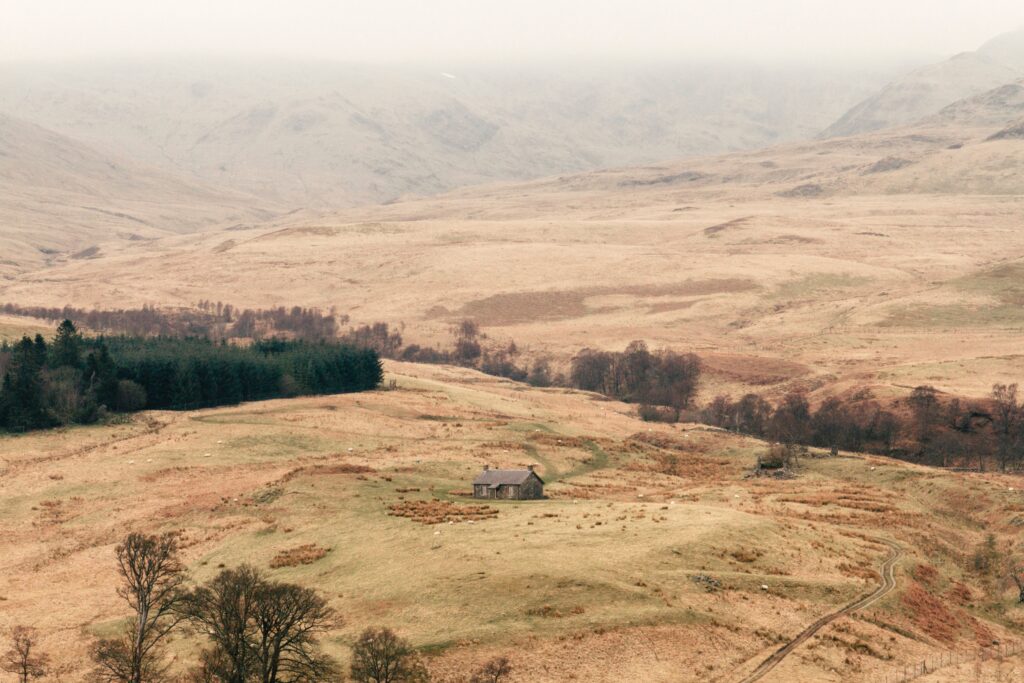
Here in America, the Amish and Mennonites settled on lands
they could finally own themselves. Here
they could raise their families and their crops and finally find some peace
from the oppression that they and their ancestors had suffered under. Here they could finally find the peace that
they had so desperately sought to worship in ways that they felt God had called
them to.
The first
Mennonites settled in Germantown, a suburb of Philadelphia, Pennsylvania in the
late 1600s.From here they spread westward
into Franconia and a bit later into Lancaster County. The first Amish to
emigrate settled near Lancaster Pennsylvania, a community which thrives to this
day. A smaller group that came later
settled north of Lancaster in Berks County along the Northkill Creek.Here Masts, Yoders, Millers, and Hochstetlers
settled onto lands that reminded them of the Swiss and South German lands that
their ancestors and families had lived on for generations.
One thing that
most of the early American settlers feared more than any other thing was
Indians. It is often thought and
perceived that the early settlers like the Amish, settled on “empty
land” that was available for them to sink deep roots into.The lands that the Amish and Mennonites
settled was not without history. The
lands in Berks and Lancaster Counties, and later in Somerset County
Pennsylvania, and Holmes County, Ohio were the ancient hunting and farming
grounds of the Indians. As European
settlers pushed them back, it created a tension that often flared into war and
raids on both parts.
Very little has
been written about how the Amish viewed the conquest and removal of the
Indians. What is evident is that they
waited until the frontier was “open” to move. They were concerned not to settle on land that others owned, yet had no
compunctions to buy land that had been taken in conquest. This may be a result of their European
experience in which they lost their lands and were under constant threat, or it
may simply have been a result of their desire not to use militant means to gain
control, based on their no-resistance. This does not mean, however, that there was not interaction between the
two groups.
In fact, much of
the interactions were peaceful as these the small groups of Indians who
remained or passed through where the Amish were settling farms and homes. Trading for food and commodities was done.
And while they would have viewed each other with wariness there was little
bloodshed unless there was instigation from the political powers that were at
war in the New World.
Three major
European powers laid claim to the lands that became known as America. The Spanish had been the earliest and had
laid claim to much of the Southern, and southwestern parts of North
America. They had little power or claim
to the lands where the Amish and Mennonites settled. The French had been in America early but had
seen the continent more as fertile grounds to supply raw material for Europe. The English had emphasized settlement and
laid physical claim to much of the lands, including the thirteen colonies that
would form the first United States.
Wars in Europe
would often “spill” over into America as these European
“superpowers” fought for dominance in the world scenes. Indians tribes often became involved because
they offered warriors and fighters. There was often a concerted effort by one or the other of the political
powers to draw the Indians in on their sides. Some tribes allied with the French in one war, and with the English in
another.
So what does this
have to do with our Amish and Mennonite ancestors? In fact, a war for dominance of European
power would have a great influence on the Amish families in Berks County
Pennsylvania. This war, which lasted
seven years from 1754 to 1763 is often known as the Seven Year’s War, or the
French and Indian War, deeply affected many of the early Amish settlers who had
only lived in America for about 25 years. They barely had time to carve farms out of the land before they were once
again facing the fears of conflict and death. Next week we will explore how that war came home to several Amish
families that have affected many families today. In fact, the stories that I heard as a young
boy were often focused around an event in 1757 that we will cover in more depth.