
As the Amish and Mennonites settled into the new world, they
faced many hardships. What made those
early years so difficult for many settlers was the long distance from family,
the clearing of land by hand, and making their way in a
world that was so different
from their past experiences. As they
settled and their families and farms grew, they also faced other tests to their
faith and lives. As we discussed last
month, one such test was the Revolutionary War, which brought severe challenges
to their nonresistant faith.
Some early
Mennonite and Amish leaders saw these tests coming and worked hard at creating
links to their history of faith. One
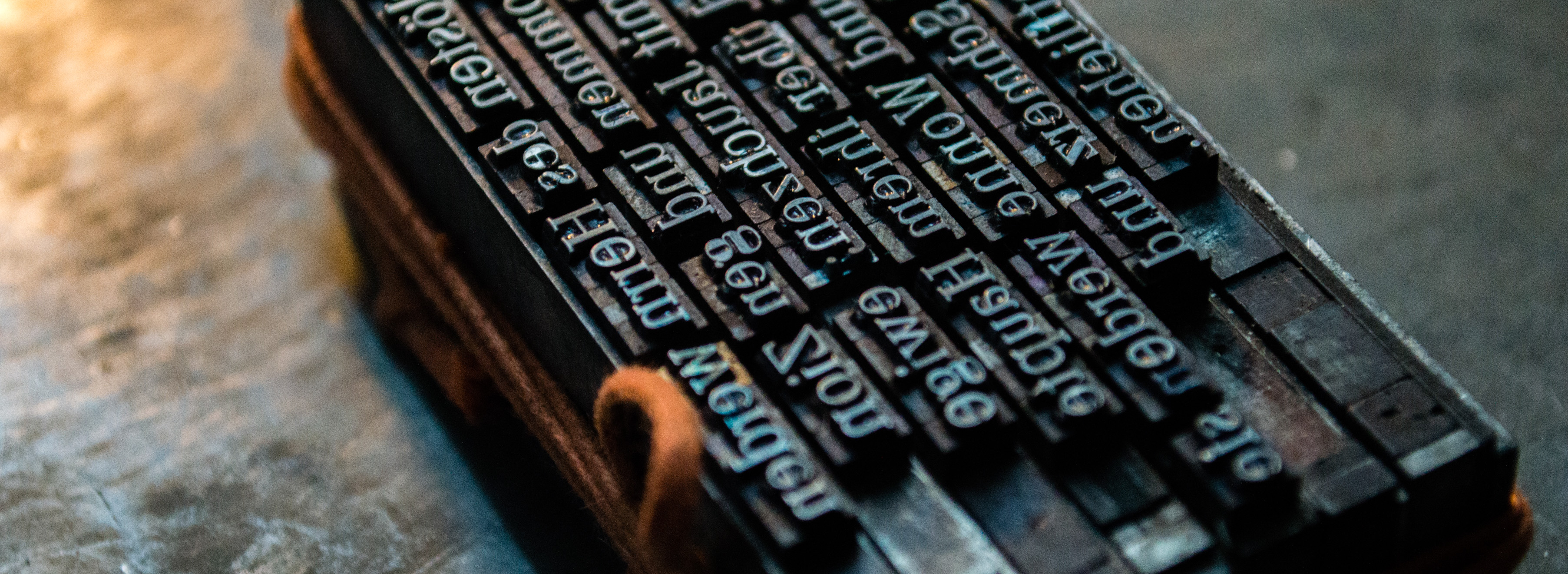
such way was the effort to put into print the
Martyr’s Mirror, and other material, which helped show the way for
them. In the early 1740s, some
Mennonite leaders sought a translator and printer in America for this valued
book. They found a man named Peter
Miller at the Ephrata Cloister in Ephrata, Pennsylvania, to do the task. Following the example of their founder Conrad
Beissel, this group of Christians believed that they best way to live was in a
communal setting. They developed a
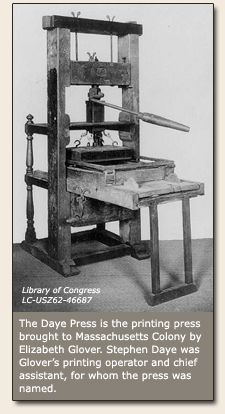
printing press, where Peter Miller worked. Under the direction of Miller, they translated the
Martyr’s Mirror into English from the original Dutch, and in
1748-1749, printed this substantial book.
This was a
significant effort, since this was the largest book printed in America prior to
the American Revolution. The pages
measured 8 ¾ inches wide by 13 ½ inches high. It did not have any pictures or
woodcuts in it, both because it would have taken significantly longer to print
and it also would have made the book more expensive. At that time, books were sold directly from
the printer to the reader, and also sold unbound. The new owner would then take the book to a bookbinder,
which bound it to the owner’s specifications. In all, historians believe that about thirteen hundred of these
Martyr’s Mirror’s were printed.
While many were
sold, there were at least three hundred remaining at the Cloister by the time
of the Revolutionary War in 1776. Here
is where the story of the
Martyr’s Mirror
takes a strange twist. In 1776, the war
was going badly for the Americans.George Washington’s troops needed more resources than they could
buy. In some cases, they seized what
they needed with some vague promise of repayment later. One item that both armies needed was paper
to use as wadding between the powder and shot in both their muskets and
cannons. When the Americans heard about
the paper at the Cloister, they seized about three hundred unbound copies of
this book of martyrdom and faith. One
can hardly imagine what they thought as they tore and wadded up the paper to
shoot at their enemies. Did they read
snatches of the stories before they stuffed them into the barrels of their
weapons?
About 175
of these books were bought back by some concerned Mennonites. They were no
longer complete, and some had duplicate pages added. They bound these redeemed books, and some
were sold. The binding is unique and has
distinctive features that make identifying these “Gun Wad”
Martyr’s Mirror’s easier. There are very few in circulation in our present world. Earlier this summer at the Amish &
Mennonite Heritage Center, we received the rare opportunity to acquire one of
these books. In early fall, we will put
this book in a special display so that we can tell the community and the world
the story of how a book of martyrs played a role in America’s war for
independence. In addition, we have
several of the full 1748-49 Ephrata Cloister
Martyr’s Mirror’s on display as well.
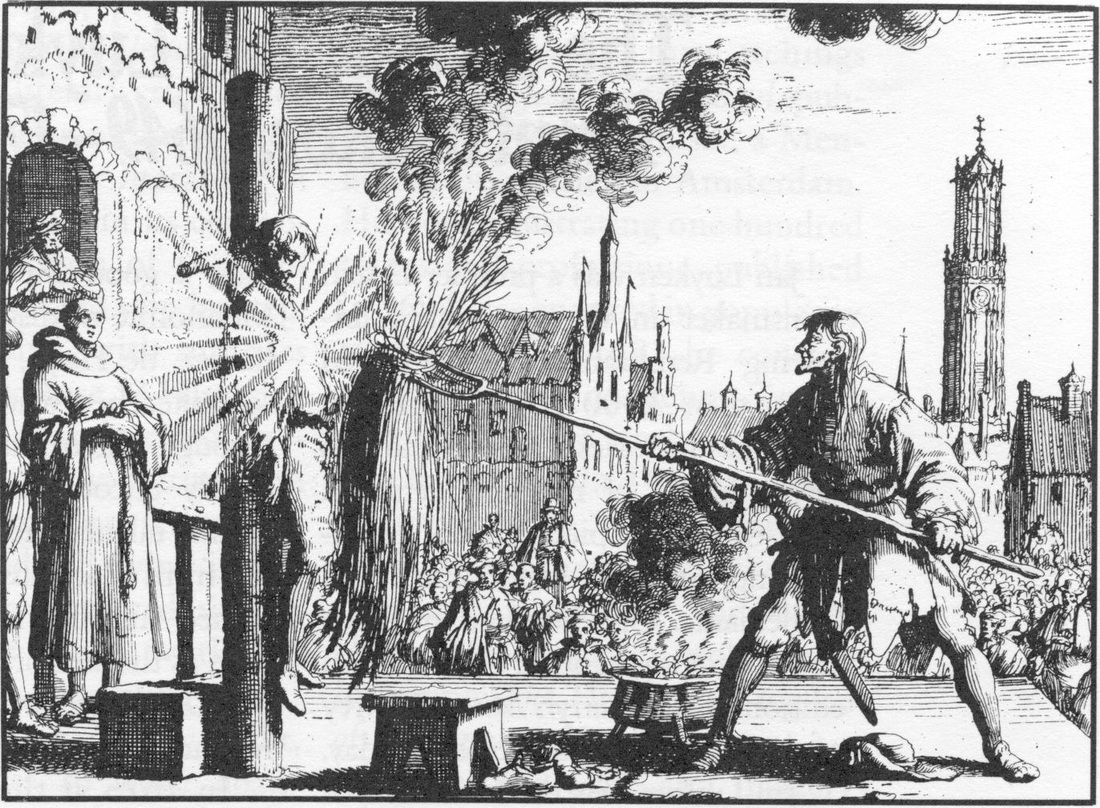
What if this book could tell its own story?
In many ways, as we research and discover how
it ended up in our community, it does tell a story. If you wish to know more about this story
and see this
Martyrs Mirror, please
call or visit the Amish & Mennonite Heritage Center.